Full-Scale Construction Solutions for Any Project
Comprehensive building support are necessary for the proper handling of any building project. They facilitate seamless integration across all steps, ensuring clear communication and collaboration among teams. This strategy not only minimizes setbacks but also improves compliance with budgets and timelines. As interested parties pursue superior results, understanding the various services available becomes increasingly critical. What specific elements support a project's achievement, and how can they be successfully executed?
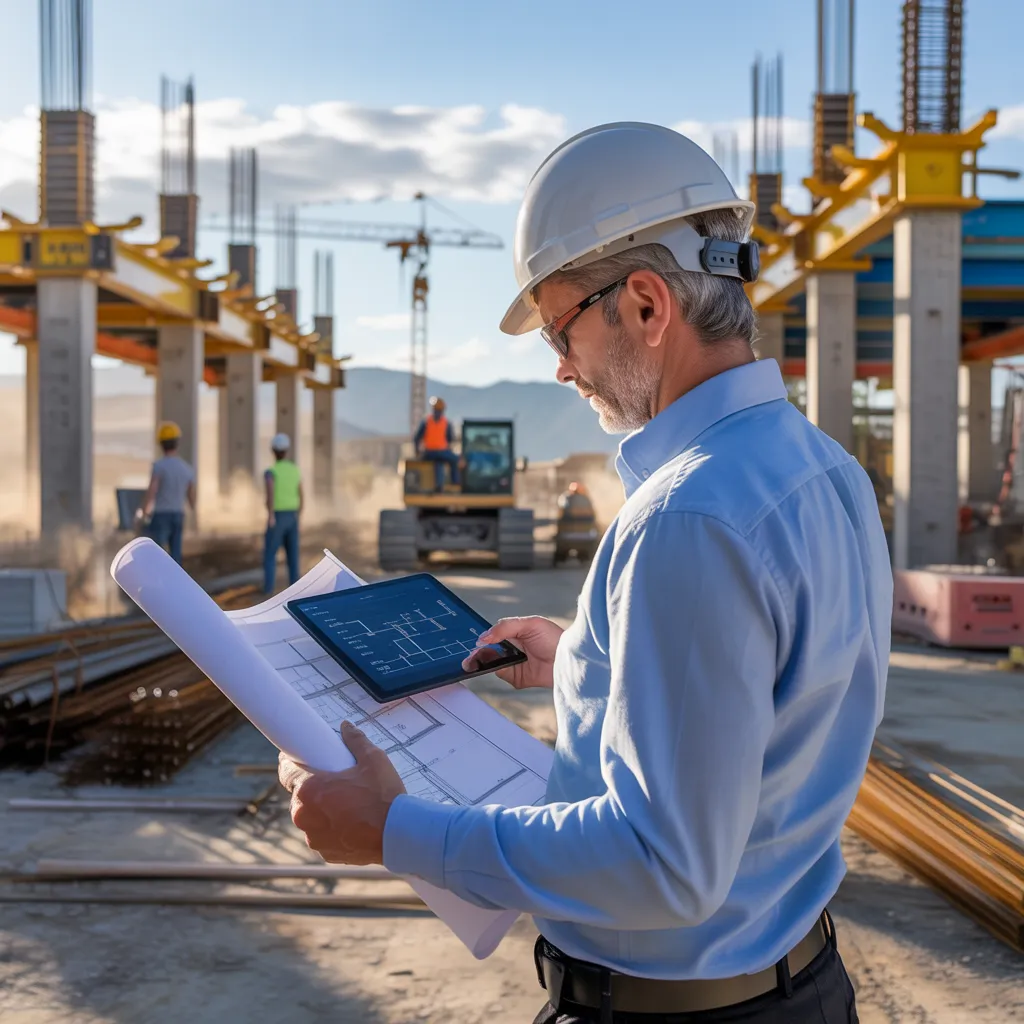
Why Thorough Construction Support Are Vital
Complete construction services are essential because they optimize the building process, confirming that all project phases are integrated smoothly. These services encompass a array of activities, involving planning, conceptualization, and delivery, which advance the overall success of your project. By coordinating various teams and resources, extensive construction services minimize the chance of errors and postponements.
Furthermore, they support adherence to timelines and budgets, identifying potential issues ahead of time. This degree of organization cultivates a team-oriented environment, permitting stakeholders to communicate openly and efficiently.
Additionally, extensive services guarantee adherence with local regulations and safety standards, minimizing risks associated with construction activities. Overall, the integration of thorough construction services enhances project quality, leading to durable and sustainable outcomes. In an industry where precision matters, such services provide the necessary framework for achieving client satisfaction and meeting project goals.
Fundamental Construction Services for Homeowners
Homeowners looking to enhance their living spaces can benefit greatly from crucial construction services designed for their specific needs. These services encompass a variety of offerings, comprising remodeling, renovations, and repairs, which enable homeowners to transform outdated areas into up-to-date, efficient spaces. Kitchen and bathroom remodels often produce considerable returns on investment, boosting both aesthetics and utility.
In addition, outside maintenance such as siding and roofing repairs guarantee the home remains safe and appealing to the eye. Landscaping and outdoor enhancements produce inviting spaces for relaxation and social activities.
Homeowners can leverage eco-friendly improvements, which decrease utility costs while promoting sustainability. By working with experienced contractors, homeowners can manage the complexities of construction projects with ease, ensuring adherence to local regulations and timelines. Overall, these crucial solutions equip homeowners to realize their visions, ultimately enhancing property value and quality of life.
Key Offerings for Commercial Construction
The commercial construction industry relies upon expert project management and dependable supplier selection as important drivers. These offerings guarantee that projects are completed on time and within budget while maintaining high standards. Appreciating their worth can lead to more successful construction outcomes.
Project Leadership Skills
Throughout the navigation of commercial construction dynamics, competent project management capabilities becomes essential to accomplish timely delivery and spending control. Accomplished project managers function in orchestrating different aspects of a construction project, including scheduling, resource allocation, and communication with stakeholders. They employ advanced methodologies to mitigate risks and adapt to sudden changes, ensuring that projects remain on track. By using technology and performance data, project managers can enhance planning outcomes, optimizing efficiency and productivity. In addition, their skill in promoting cooperation among contractors, architects, and clients is indispensable for similar resource aligning expectations and meeting targets. At the end of the day, strong project management expertise acts as the cornerstone of successful commercial construction endeavors, moving projects from conception to completion with meticulous care.
Quality Material Sourcing
Quality material procurement constitutes a crucial dimension in the sphere of commercial construction, directly determining project durability and overall success. Efficient procurement involves picking high-quality materials that address specific project requirements while adhering to budget constraints. This process often necessitates establishing strong relationships with trustworthy suppliers to assure prompt delivery and consistency in quality. Moreover, familiarity with local regulations and sustainable practices proves essential in sourcing decisions. By stressing quality materials, construction firms can bolster structural integrity and cut long-term maintenance costs. All in all, emphasis on quality material sourcing not only achieves a project's immediate goals but also boosts its longevity and resilience in a competitive market.
Determining the Greatest Construction Services for Your Project?
When evaluating construction services, it is essential to define project requirements precisely to guarantee alignment with goals. Assessing the expertise of potential service providers additionally improves the probability of a successful outcome. Thorough evaluation of such elements can lead to a more efficient and effective building process.
Specify Project Requirements Unambiguously
Properly articulating project requirements is critical for selecting the most fitting building solutions. This involves specifying distinct project aims, schedules, budgets, and necessary resources. A well-defined work scope helps confirm that all parties comprehend shared expectations. Moreover, documenting regulatory requirements or location-based factors can help prevent schedule delays and miscommunication in the building process. By establishing defined criteria at the beginning, construction managers can relay their needs to potential service providers, enabling more informed choices. At the end of the day, thorough records of scope requirements simplifies the selection process and creates the groundwork for smooth completion and reduces the risk of expensive modifications later in the process.
Evaluate Service Provider Skills
How can project managers guarantee they choose the most qualified building contractors? Assessing the qualifications of prospective service providers is critical. This procedure starts with examining each contractor's portfolio, which showcases previous work and applicable background. Construction leaders should also verify licenses, certifications, and insurance to confirm adherence with professional requirements. Gathering references and client testimonials can provide insights into a contractor's reliability and craftsmanship. Furthermore, conducting consultations allows project managers to evaluate interpersonal abilities and understanding of project specifications. Analyzing bids not only on cost but also on scope, schedules, and standards can further assist in decision-making. In the end, a thorough evaluation of service provider expertise lays the foundation for successful implementation and fulfillment.
Streamlining Your Building Project Effectively
Achieving effectiveness in construction projects requires embracing a systematic approach that decreases delays and enhances resource allocation. Effective communication among team members is crucial, ensuring that everyone remains aligned with project goals and timelines. Utilizing project management software can streamline workflows, allowing for real-time updates and task tracking.
Furthermore, implementing a phased approach enables teams to concentrate on particular project components, minimizing the probability of duplicate efforts that can lead to miscommunication. Consistent progress assessments and modifications based on key performance indicators assist in detecting potential bottlenecks promptly.
Setting distinct roles and responsibilities supports accountability, motivating teams to meet deadlines without compromising quality. Furthermore, undertaking proactive risk management readies teams for unforeseen challenges, facilitating swift responses that keep projects on track. By integrating these strategies, construction projects can achieve greater efficiency, reducing costs and enhancing overall outcomes.
Promoting sustainable practices in building not only strengthens quality outcomes but also reduces environmental impact. By implementing sustainable materials and techniques, construction companies can significantly lower energy waste and material usage. This approach not only satisfies regulatory requirements but also appeals to sustainability-focused consumers.
Employing green materials, such as bamboo or recycled metals, supports durability while reducing carbon footprints. Additionally, deploying energy-efficient technologies, like solar panels and advanced insulation, provides prolonged cost advantages and improved building performance.
Working green-certified consultants further elevates project standards, ensuring compliance with sustainability benchmarks.
In addition, adopting a waste management plan during the construction phase can enhance workflow, minimizing expenses and ecological harm.
Ultimately, a dedication to sustainability in construction fosters high-quality projects that resonate with both stakeholders and the community, establishing a legacy of ethical building practices. Such dedication not only enhances the reputation of construction firms but also supports a healthier planet.
Regularly Inquired Questions
What Are the Typical Timelines for Construction Undertakings?
Common timelines for construction undertakings vary widely, commonly extending from a few months to several years. Factors influencing duration feature scale, complexity, regulatory approval, seasonal factors, and resource availability, determining overall time to completion.
What Should I Do About Sudden Construction Interruptions?
To manage unforeseen building delays, one should assess the situation, engage with relevant parties, adjust timelines, and investigate alternatives. Flexibility and proactive planning can reduce consequences and keep the project on track despite challenges.
What Licenses Are Required for Development Projects?
Various permits are needed for construction projects, such as structural, electrical, water, and zoning permits. The specific requirements depend on regional rules, project scope, and location, necessitating consultation with municipal officials for compliance and guidance.
In What Way Is Budget Planning Overseen During Construction Work?
Project budgeting is directed through regular monitoring of expenses, refining forecasts based on actual costs, and fostering dialogue among stakeholders. This secures alignment with financial goals and timely identification of potential overruns or savings.
What Safety Practices Are Deployed on Construction Sites?
Construction sites utilize diverse protective strategies, encompassing ongoing safety education, application of protective gear, prominent notices, routine examinations, emergency protocols, and observance of regulations to decrease dangers and secure the well-being of workers.